
Search
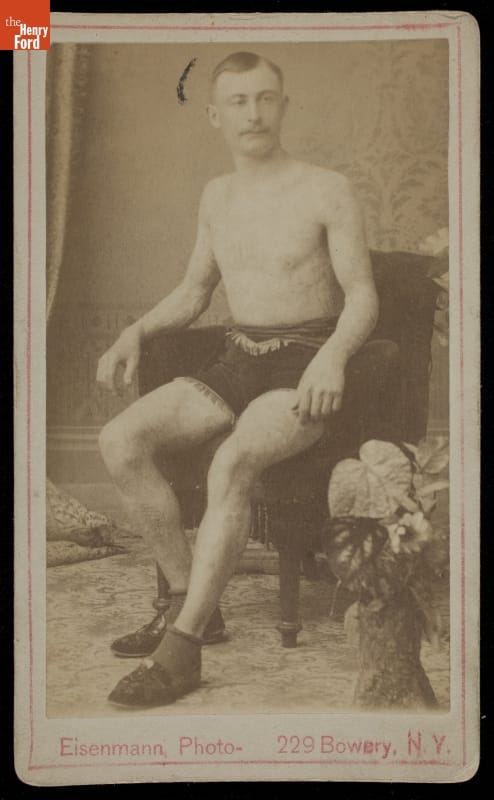
- Portrait of an Athlete, circa 1885 - This unidentified "tattooed man" with patriotic tattoos was photographed by Charles Eisenmann in his Bowery district studio. Eisenmann captured the eclectic mix of people who frequented the Bowery, including circus performers like this -- a likely client of the area's infamous tattoo parlors. Eisenmann's images were reproduced for sale in the form of cabinet cards, popular among the middle class.
- circa 1885
- Collections - Artifact
Portrait of an Athlete, circa 1885
This unidentified "tattooed man" with patriotic tattoos was photographed by Charles Eisenmann in his Bowery district studio. Eisenmann captured the eclectic mix of people who frequented the Bowery, including circus performers like this -- a likely client of the area's infamous tattoo parlors. Eisenmann's images were reproduced for sale in the form of cabinet cards, popular among the middle class.
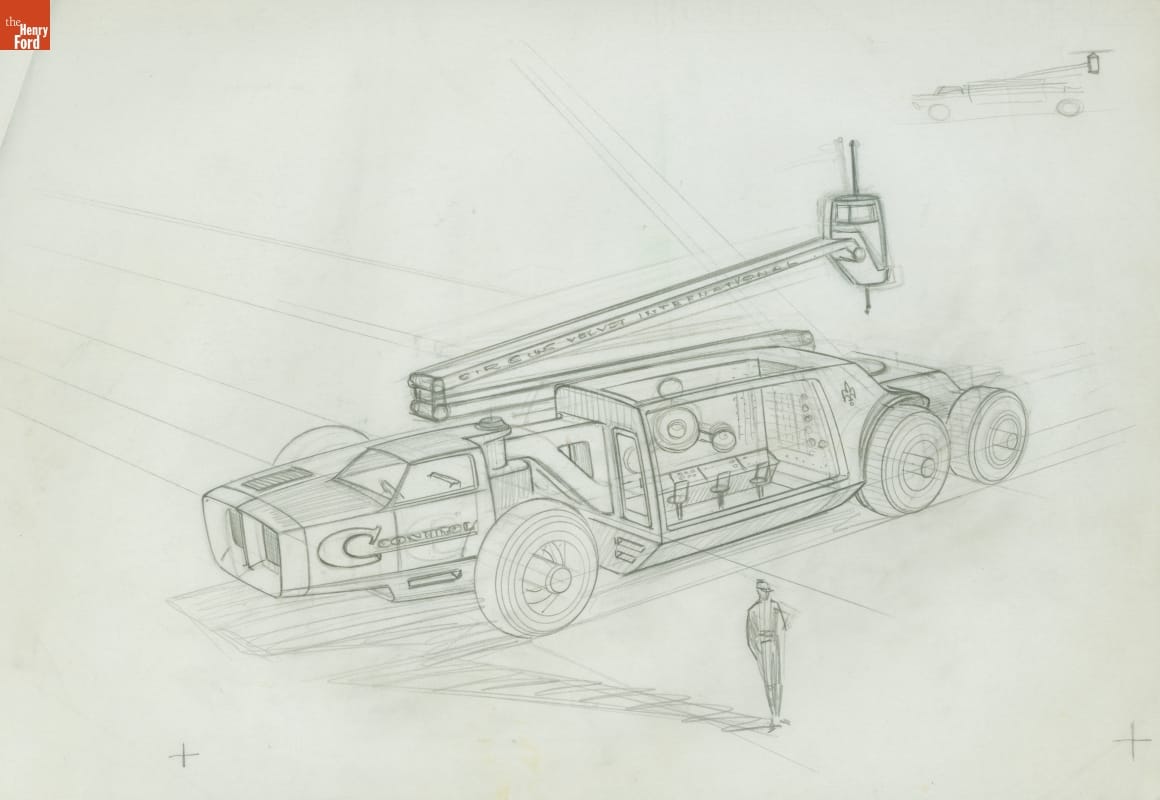
- Circus Performance Control Vehicle, 1967 - In 1966, automobile designer Virgil Exner was approached by a wealthy man with an unusual dream: to build a motorized circus with vehicles for transporting performers and constructing the big top. Exner was eager to begin the novel - though soon abandoned - project and created several concepts, including this control vehicle designed to erect the big top.
- 1967
- Collections - Artifact
Circus Performance Control Vehicle, 1967
In 1966, automobile designer Virgil Exner was approached by a wealthy man with an unusual dream: to build a motorized circus with vehicles for transporting performers and constructing the big top. Exner was eager to begin the novel - though soon abandoned - project and created several concepts, including this control vehicle designed to erect the big top.
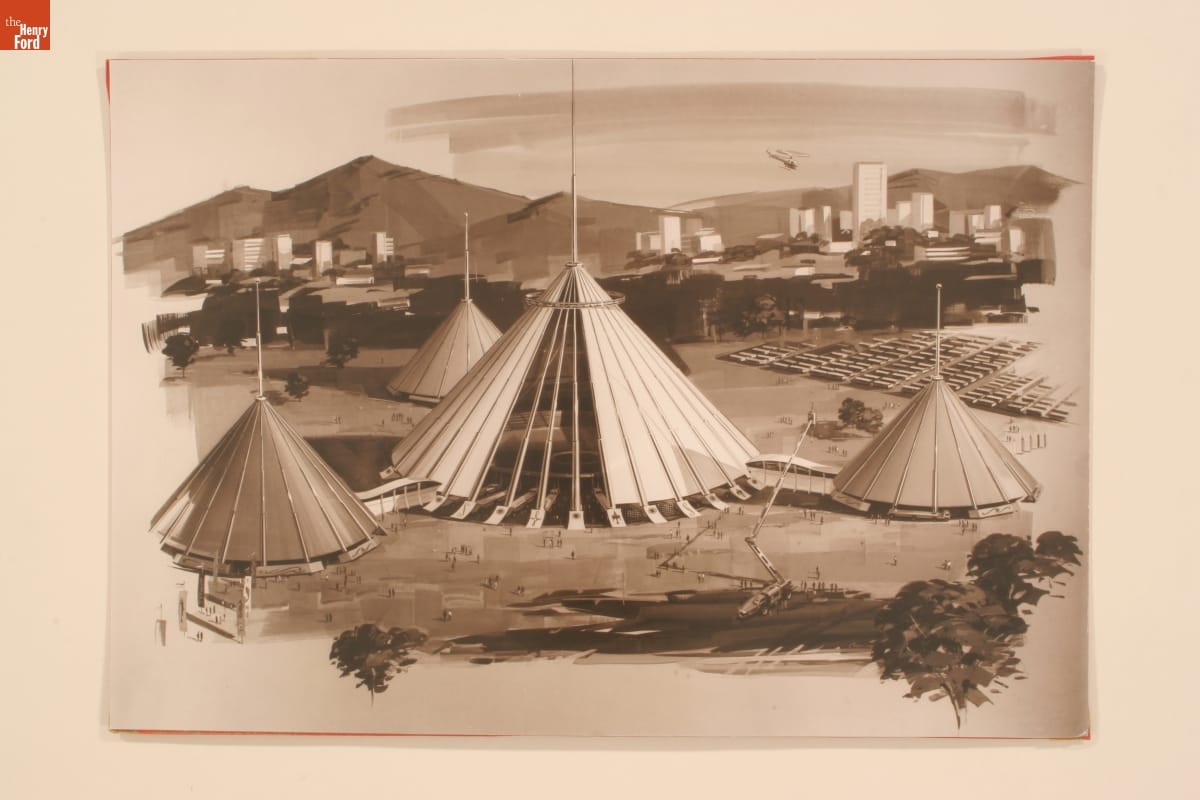
- "Circus Velvet," circa 1967 - In 1966, automobile designer Virgil Exner was approached by a wealthy man with an unusual dream: to build a motorized circus with vehicles for transporting performers and constructing the big top. Exner was eager to begin the novel, though soon abandoned, project. He created several concept vehicles and structures for the spectacle, known as Circus Velvet.
- circa 1967
- Collections - Artifact
"Circus Velvet," circa 1967
In 1966, automobile designer Virgil Exner was approached by a wealthy man with an unusual dream: to build a motorized circus with vehicles for transporting performers and constructing the big top. Exner was eager to begin the novel, though soon abandoned, project. He created several concept vehicles and structures for the spectacle, known as Circus Velvet.
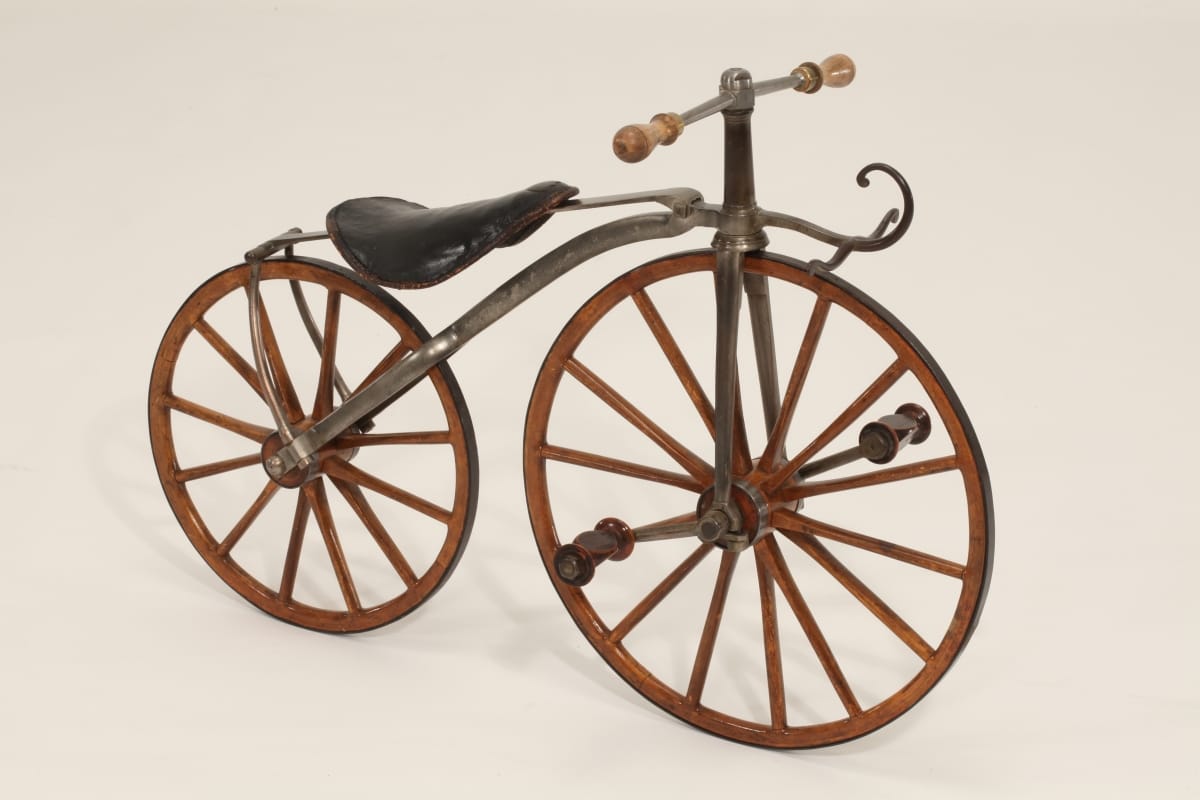
- 1869 Miniature Bicycle Used by Tom Thumb - Topliff and Ely, an Ohio company, presented this reduced-size velocipede to General Tom Thumb, the stage name of Charles Sherwood Stratton. This diminutive performer, who only reached a height of 40 inches, got his start with P. T. Barnum. Stratton turned his small stature into a profitable career entertaining both royalty and the common man.
- 1869
- Collections - Artifact
1869 Miniature Bicycle Used by Tom Thumb
Topliff and Ely, an Ohio company, presented this reduced-size velocipede to General Tom Thumb, the stage name of Charles Sherwood Stratton. This diminutive performer, who only reached a height of 40 inches, got his start with P. T. Barnum. Stratton turned his small stature into a profitable career entertaining both royalty and the common man.
- Ticket for a Performance of "The Fascinating Widow," Saturday Matinee, January 14, 1911 -
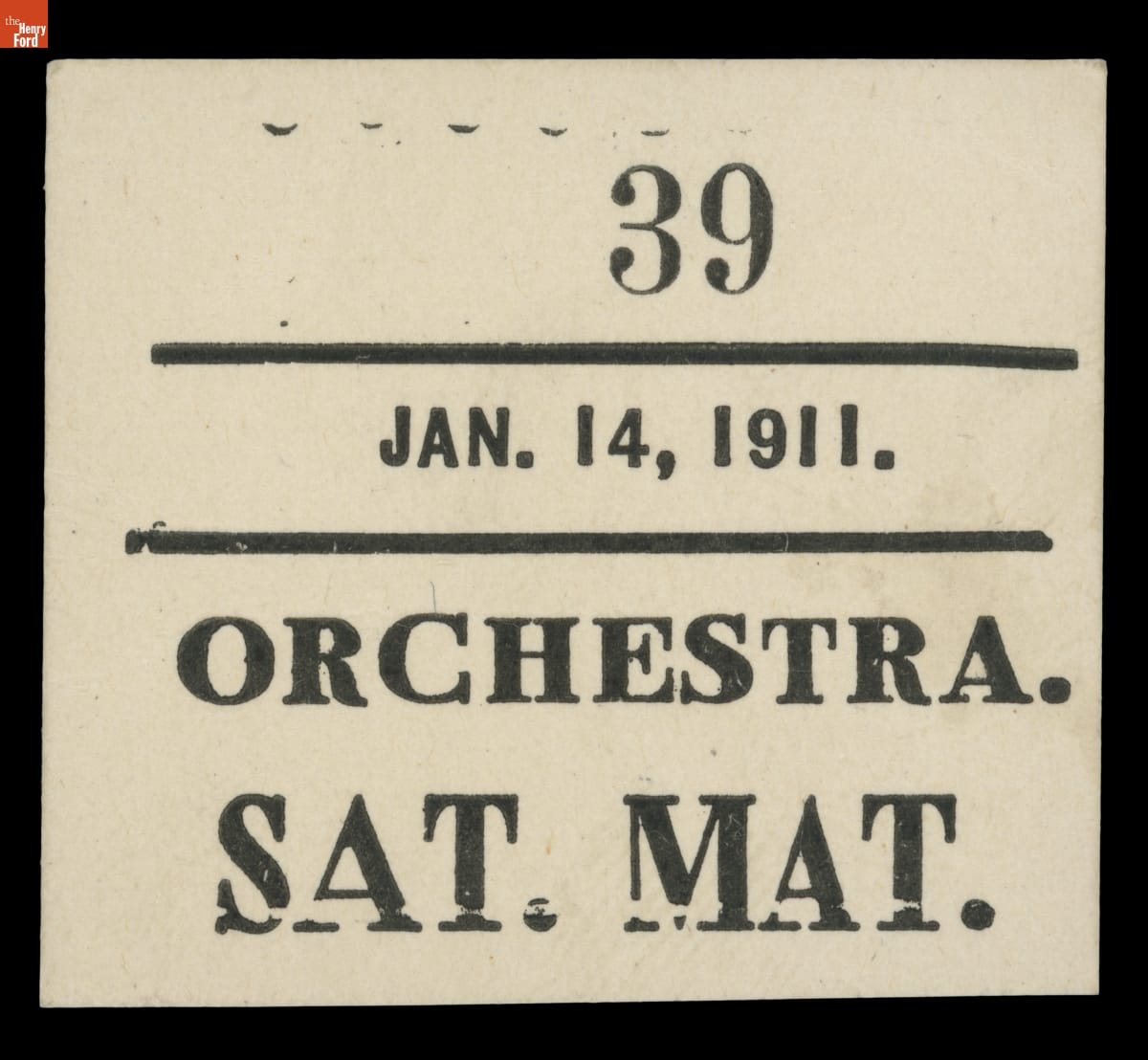
- January 14, 1911
- Collections - Artifact
Ticket for a Performance of "The Fascinating Widow," Saturday Matinee, January 14, 1911
- Thomas Rowe, Expansionist Circus Performer, circa 1895 - Professional photographers began producing cabinet cards in 1867. Consumers quickly preferred them over earlier cartes-de-visite, which were mounted on smaller cardboard stock. Through the early 1900s, Americans commonly exchanged and collected cabinet photographs of family, friends and celebrities. This example, made in Detroit, Michigan, around 1895, depicts Thomas Rowe, a sideshow performer in the Walter L. Main Circus.
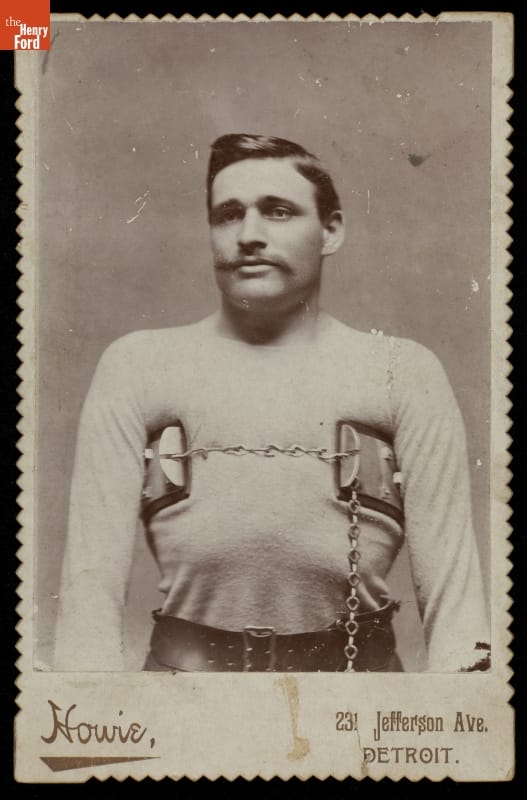
- circa 1895
- Collections - Artifact
Thomas Rowe, Expansionist Circus Performer, circa 1895
Professional photographers began producing cabinet cards in 1867. Consumers quickly preferred them over earlier cartes-de-visite, which were mounted on smaller cardboard stock. Through the early 1900s, Americans commonly exchanged and collected cabinet photographs of family, friends and celebrities. This example, made in Detroit, Michigan, around 1895, depicts Thomas Rowe, a sideshow performer in the Walter L. Main Circus.
- Sharp GF-777 "The Searcher-W" Boombox, circa 1984 -
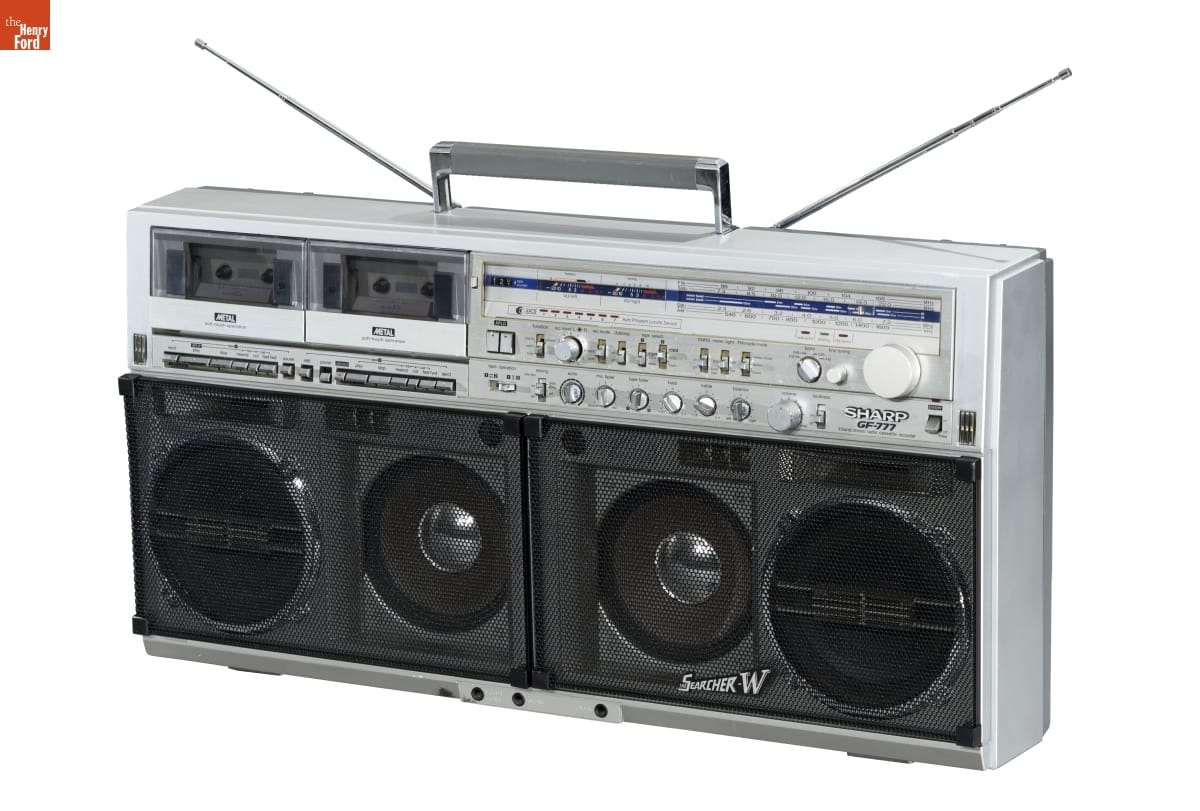
- circa 1984
- Collections - Artifact
Sharp GF-777 "The Searcher-W" Boombox, circa 1984
- Violin Used by Conrad Ambrose Hoffman -
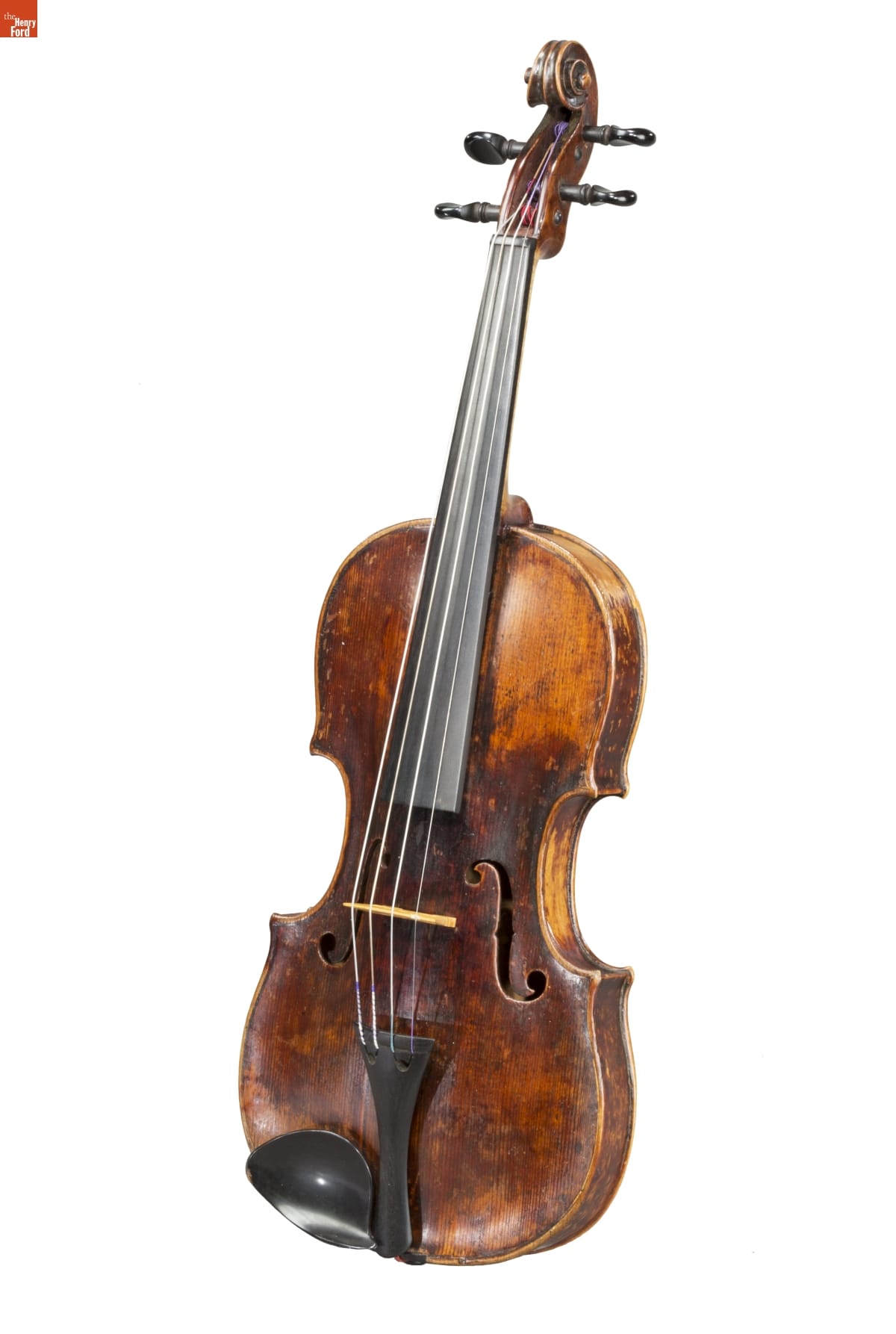
- 1793
- Collections - Artifact
Violin Used by Conrad Ambrose Hoffman
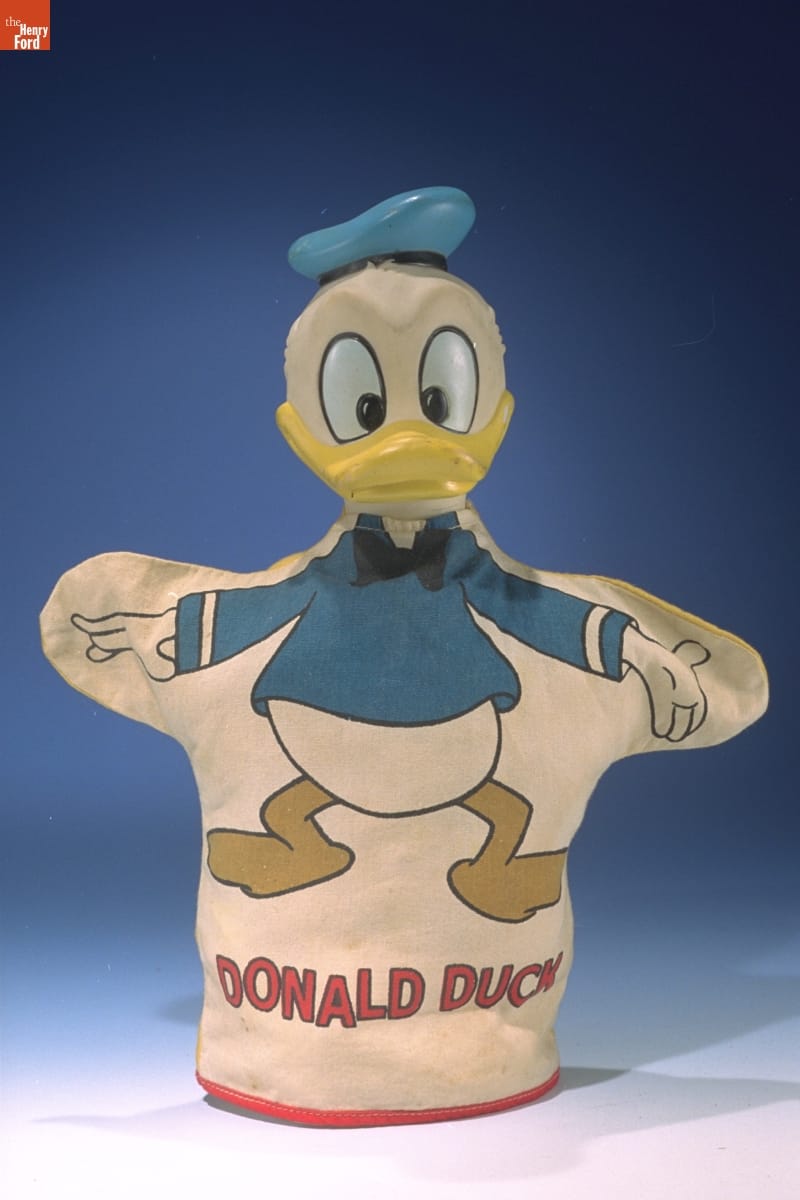
- Donald Duck Hand Puppet, circa 1960 -
- circa 1960
- Collections - Artifact
Donald Duck Hand Puppet, circa 1960
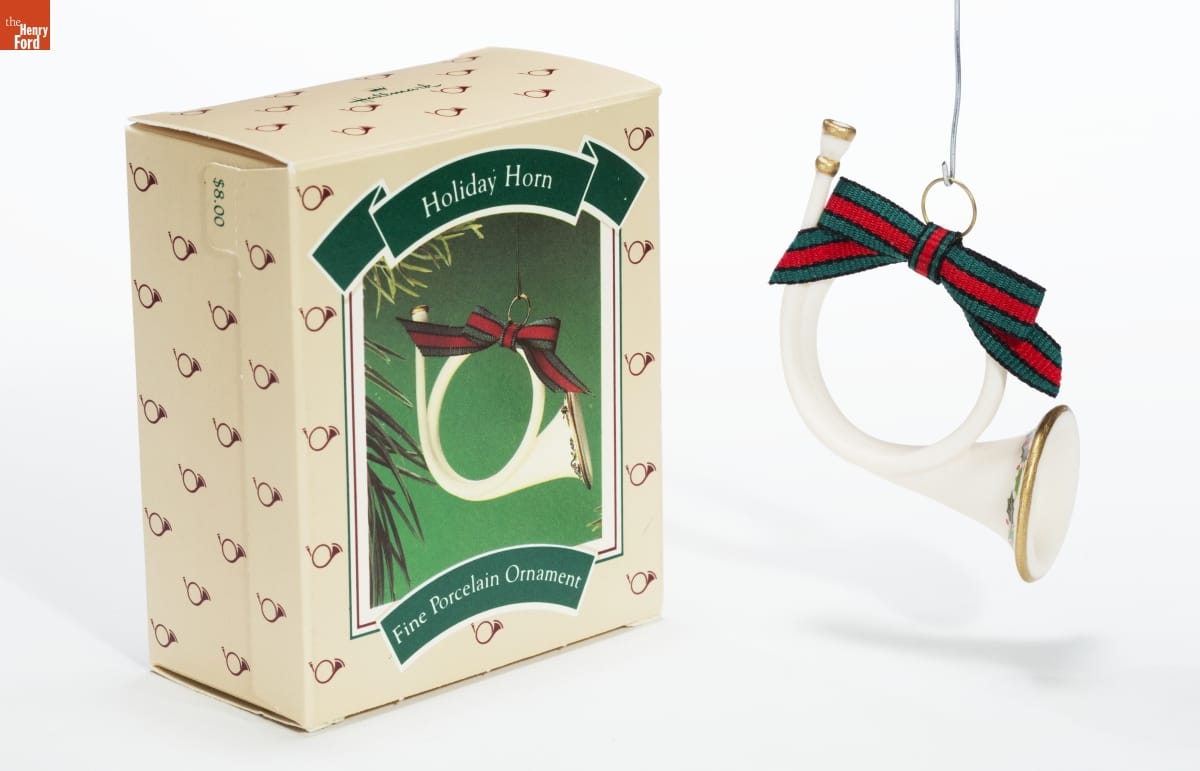
- Hallmark "Holiday Horn" Christmas Ornament, 1986 - Already known for greeting cards, Hallmark introduced a line of Christmas ornaments in 1973. The company's annual release of an increasing array of ornaments revolutionized Christmas decorating, appealing to customers' interest in marking memories and milestones as well as expressing one's personality and unique tastes.
- 1986
- Collections - Artifact
Hallmark "Holiday Horn" Christmas Ornament, 1986
Already known for greeting cards, Hallmark introduced a line of Christmas ornaments in 1973. The company's annual release of an increasing array of ornaments revolutionized Christmas decorating, appealing to customers' interest in marking memories and milestones as well as expressing one's personality and unique tastes.